Politics · Signal Post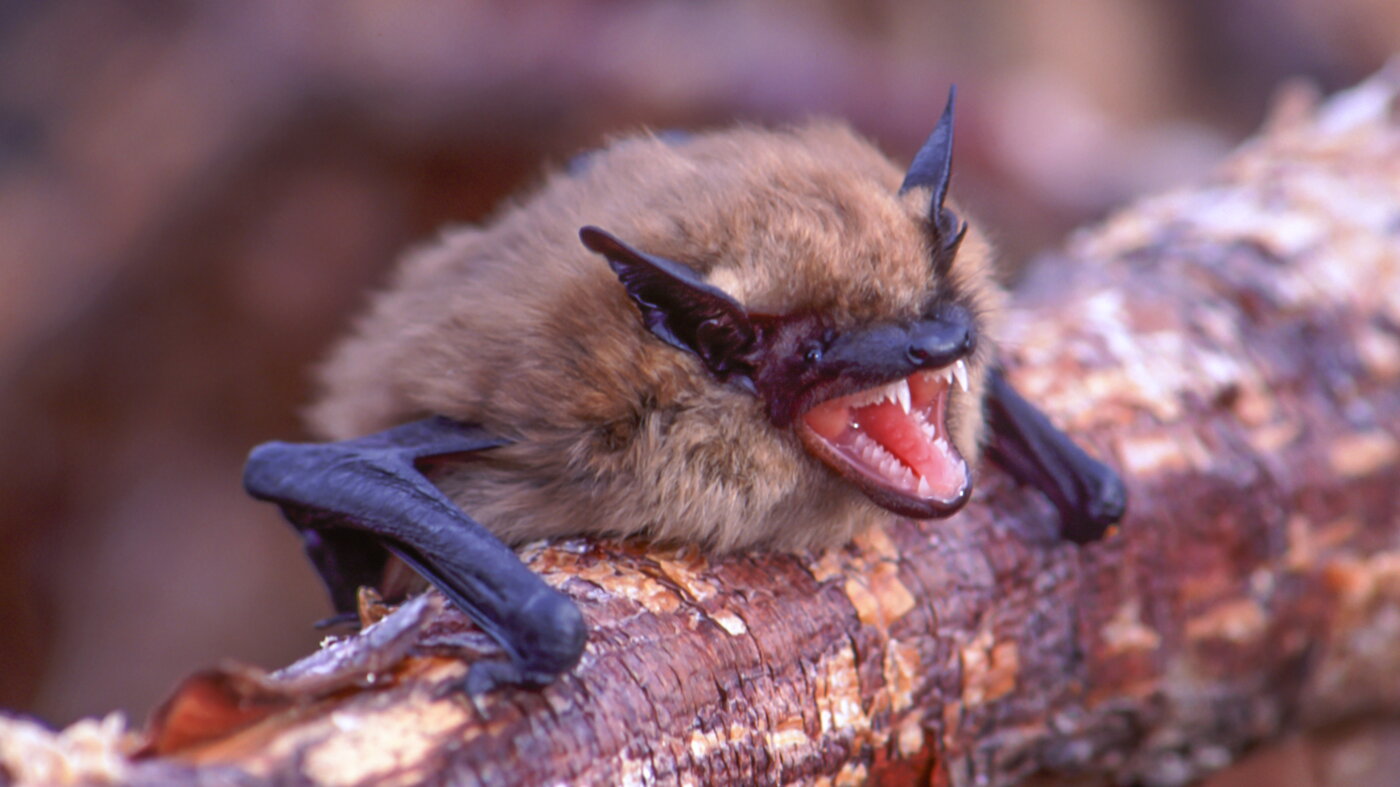
How little brown bat genes are outsmarting a fungal killer Download Embed < iframe src="https://www.npr.org/player/embed/nx-s1-5825878/nx-s1-mx-5825878-1" width="100%" height="290" frameborder="0" scrolling="no" title="NPR embedded audio player"> A little brown bat, once the most abundant species of bat in the eastern United States; white nose syndrome, a cave-dwelling fungus, has decimated their population. Bob Pool/Getty Images hide caption Bob Pool/Getty Images We're easing you into Halloween season with an episode about bats . There's a silent serial killer decimating little brown bats as they hibernate.
White nose syndrome has driven populations across the U.S. to almost the brink of extinction over the last decade. But recently, conservation biologist Giorgia Auteri and her team noticed several genetic mutations in the survivors. These mutations could explain how natural selection has shifted the existing population – and inform conservation efforts in the future.
Interested in more animal science? Email us your question at shortwave@npr.org . Support public media with NPR+ and enjoy perks for over 25 podcasts like this one.
This show's perks include sponsor-free listening. Learn more at plus.npr.org . Listen to Short Wave on Spotify and Apple Podcasts .
This episode was produced by Hannah Chinn. It was edited by Rebecca Ramirez and Lauren Gonzalez. Tyler Jones checked the facts.
The audio engineer was Annlie Huang.
Source: NPR